QED42 · PEOPLE × AI OS

Make AI work across your organisation

People × AI OS grounds AI in your people, operations, and organisational context, helping teams execute more effectively and measure the gains across how work is won, delivered, managed, and adopted.

We built People × AI OS on our own operations first

AI was already being used across how QED42 won work, delivered projects, ran meetings, and managed capacity.

The individual tools helped. The gains did not always carry through the full operation.

A faster task could still lead to more review. A useful meeting summary could remain disconnected from the work tracker. More prompts and tokens could show adoption without showing whether delivery improved.

So we built our own tools and connected them to the context behind the work.

Past engagements began informing new opportunities and estimates. Contracts were read against live milestones. Worklogs were compared with original estimates. Meetings were tied to the outcomes and decisions they were meant to move.

That became People × AI OS.

The framework was tested across QED42’s own
Acquire, Deliver, Operate, Prove, and Adopt workflows before it became a consulting service.

Five motions, one operating model

Each motion connects the tools already in use with the people, context, and measures behind the work.

AI-assisted opportunity qualification, proposal planning, and revenue forecasting
Acquire

Use what the organisation already knows to pursue and plan new work

Past engagements, capabilities, delivery benchmarks, and commercial data inform which opportunities to pursue and how the work should be estimated.

Inside QED42, RFP Radar, RFP Copilot, and Revenue Forecast support this motion.

RFP Copilot currently works from 247 internal benchmarks across 44 engagements.

Deliver

Keep what was promised connected to what is being delivered

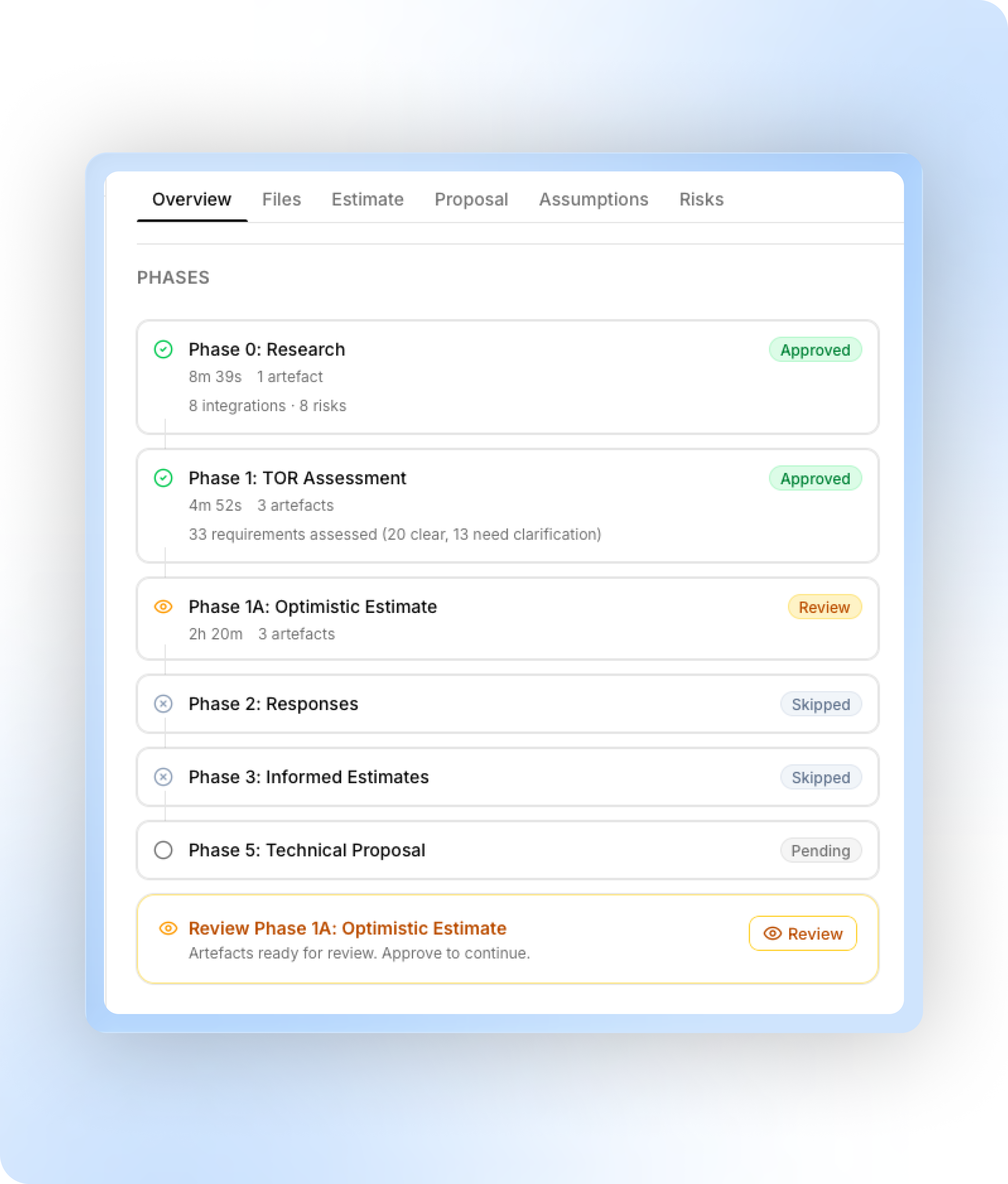
Scope, design, engineering, milestones, worklogs, and reporting stay part of the same operating context.

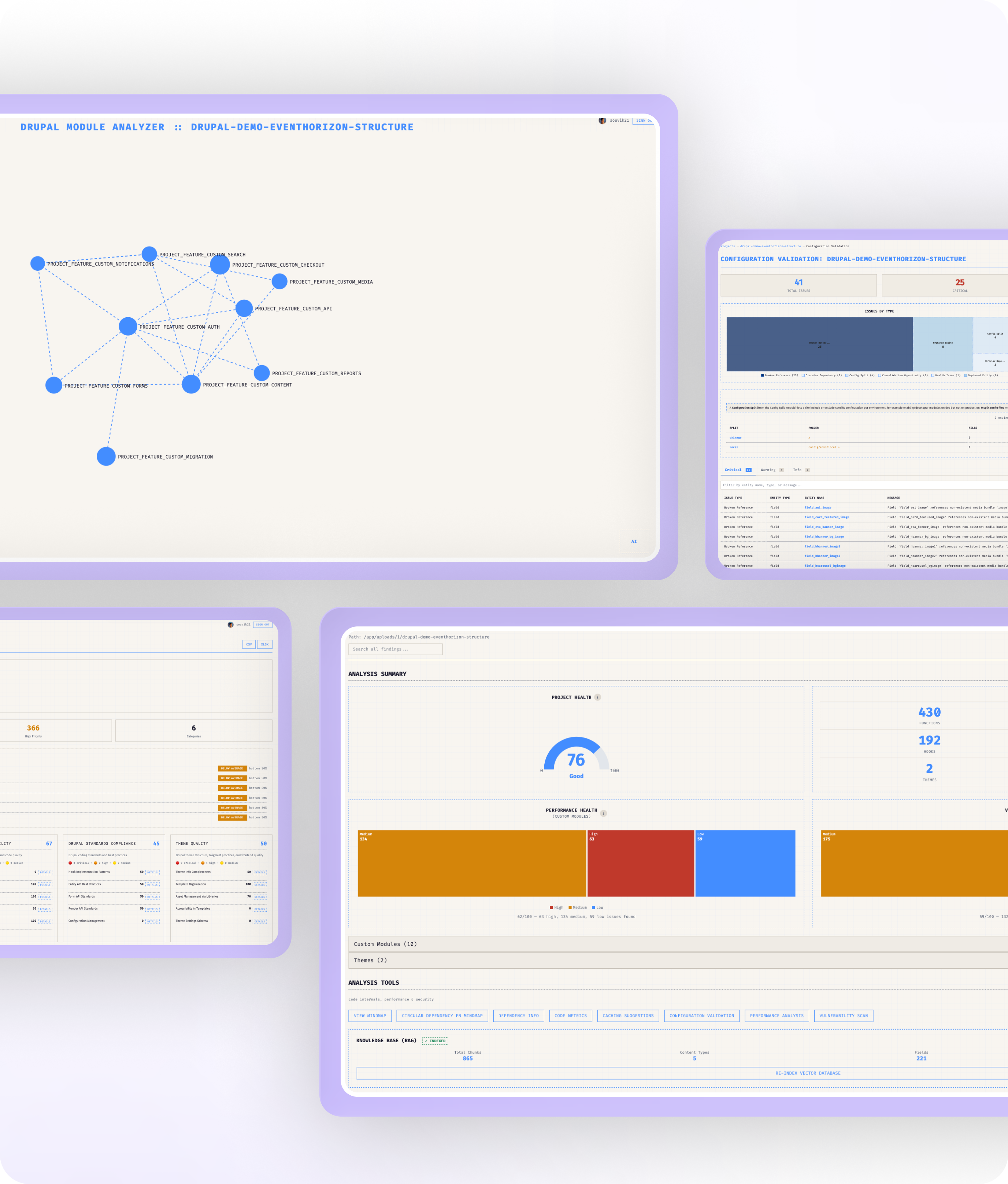
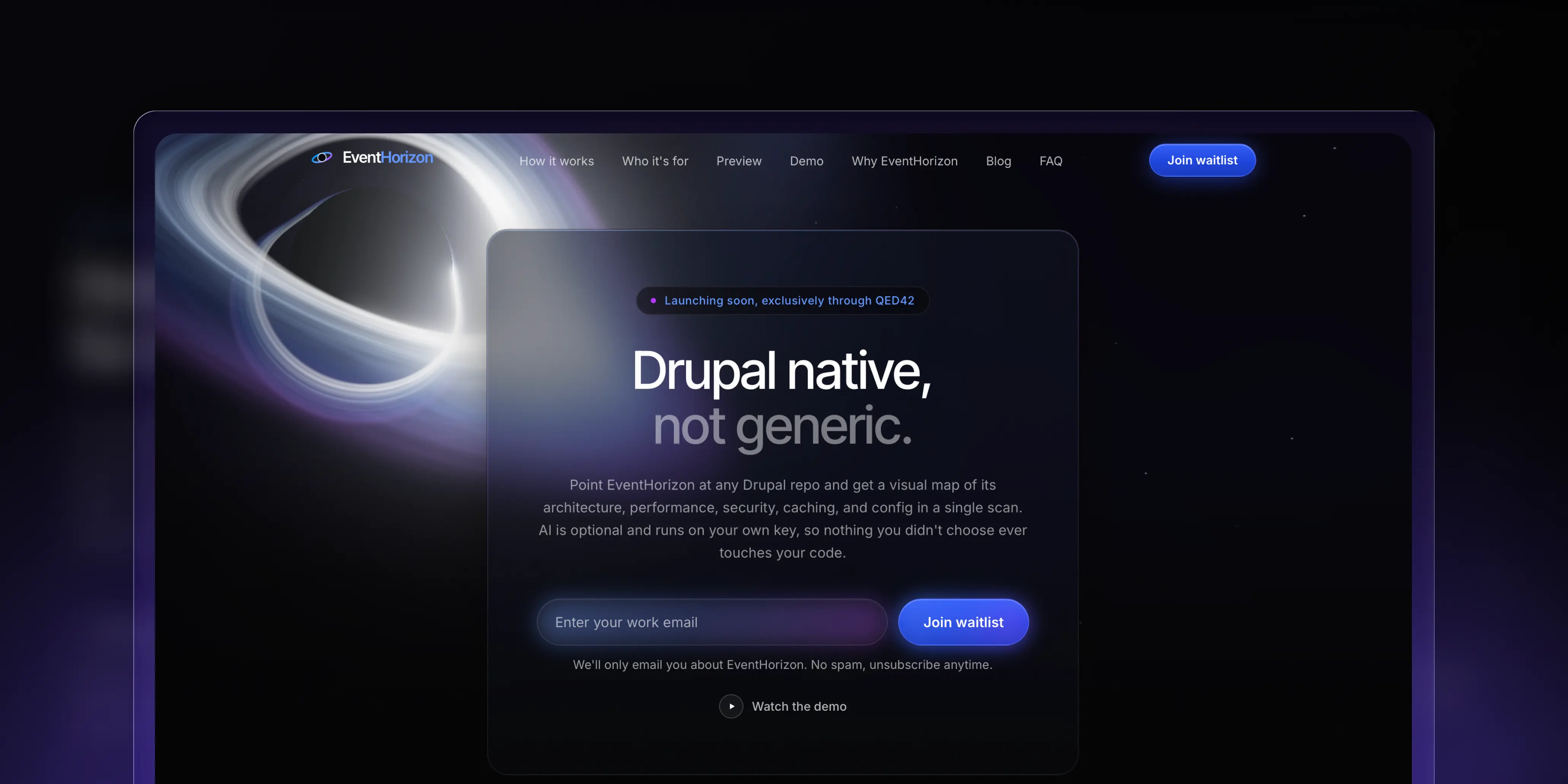
Inside QED42, Contract ↔ Milestone compares live delivery with the statement of work, while Event Horizon and Dashboard Automator support delivery visibility.

The value is not another status update. It is seeing drift while there is still time to act.

AI connecting contracts, milestones, project delivery, and work tracking
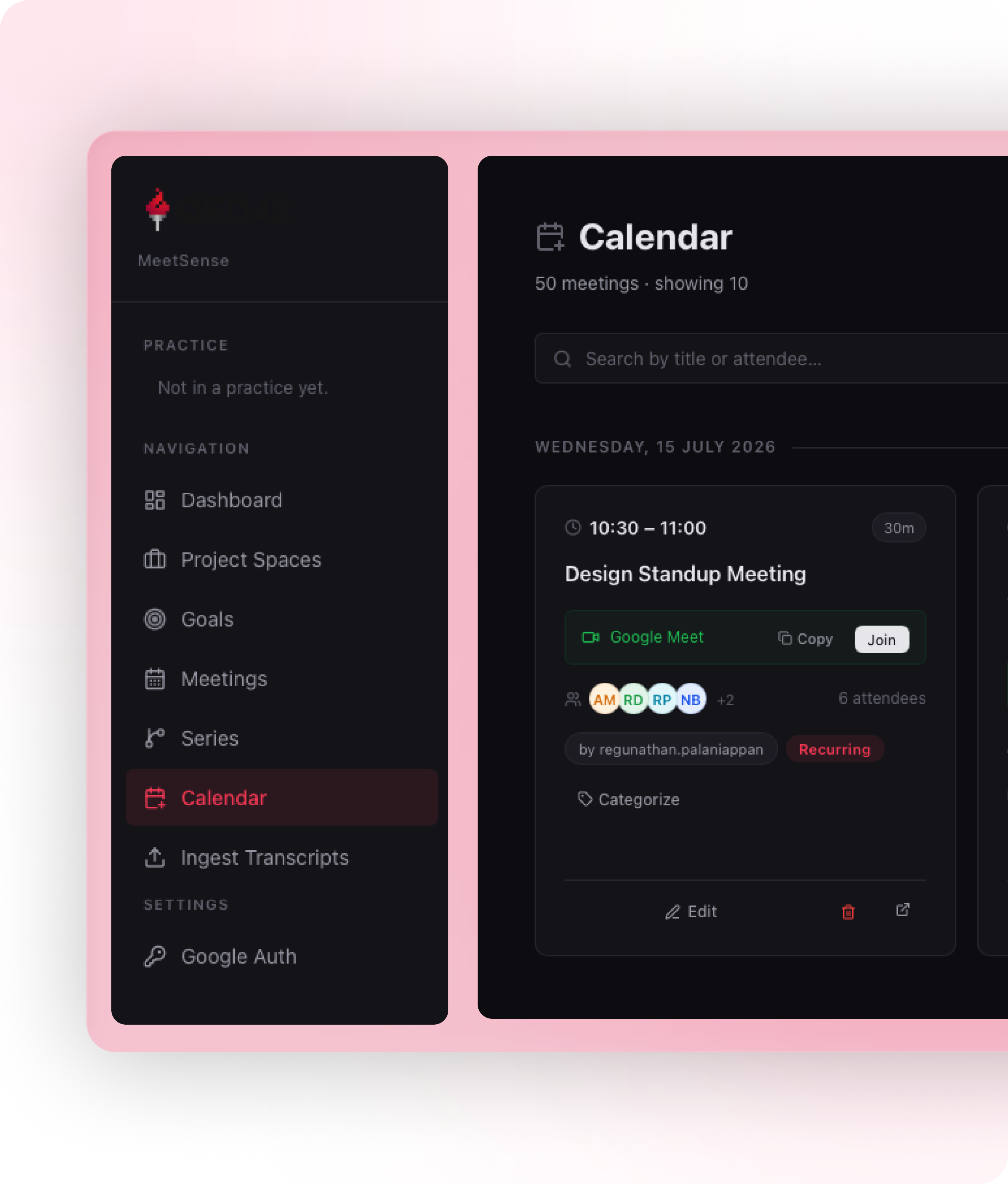
AI analyzing meetings, project health, capacity, and operational decisions
Operate

Read the signals behind projects, meetings, capacity, and decisions together

Project activity, dependencies, risks, meetings, and portfolio priorities are interpreted against the outcomes they are expected to move.

Inside QED42, Op Intelligence reads the existing work-tracker log, while Meet Sense connects discussions and actions with the purpose of each meeting.

Prove

Measure whether AI changed the work, not only whether people used it

Original estimates, logged effort, review activity, AI usage, and completed work remain separate signals.

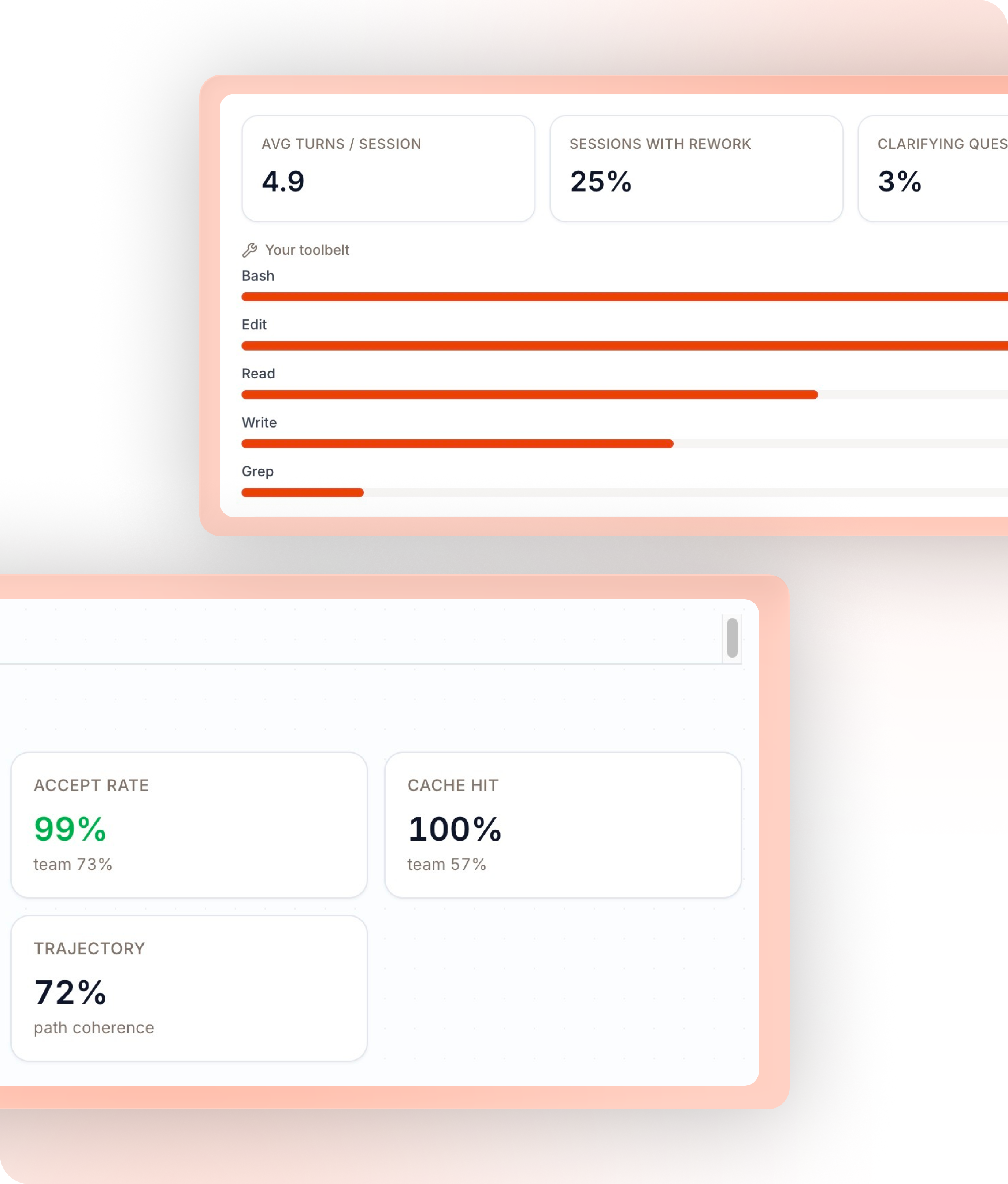
Inside QED42, Acceleration Efficacy compares estimated and logged effort at the work-item level.

In one measured set, 100 estimated hours were compared with 69 hours and 26 minutes of logged effort.

AI efficacy measurement comparing estimated effort with actual delivery performance
Enterprise AI adoption framework for scaling successful operational workflows
Adopt

Carry what works into everyday practice

Useful workflows, context, and working patterns are retained so more teams can use them without rebuilding the same knowledge.

Adoption is measured through the work and its outcomes, not by turning individual activity into a performance score.

Together, Acquire, Deliver, Operate, Prove, and Adopt connect how work enters the organisation, moves through it, is measured, and becomes repeatable.

How we work with you

People × AI OS is delivered as a consulting engagement, not a standard product implementation.

Start inside the operation

A QED42 forward-deployed engineer works inside your ecosystem with the people running the operation. They study how work moves across tools, teams, decisions, and handoffs, then identify where AI agents can improve execution and how that improvement should be measured.

Understand the operation

Work alongside the selected department to understand its workflows, systems, people, decision points, operating rules, and existing AI use.

Identify the first use case

Choose one operational workflow where better grounding, coordination, or execution can create a measurable efficacy gain.

Define the first pilot

Shape the agentic workflow around the organisation’s existing tools and context, including where people remain responsible for review and decisions.

Establish the measurement framework

Set the baseline and agree how the change will be measured across effort, output, quality, predictability, capacity, adoption, and ROI where it can be attributed.

Build the roadmap from real use

Use what the first pilot reveals to define what should be extended, changed, connected, or stopped.
The engagement runs on a time and material basis, with the forward-deployed engineer working closely with one department throughout the first use case.

Process

QED42 PROCESS 

How we work

We listen before we build. The partnership continues past launch

18 +

YEARS OF DELIVERY

4.85

Net Promoter Score

Drupal Diamond Partner

01

Understand

Technical debt, constraints, users need the things the brief doesn't say. That's where we start. Before a line of code is written

02

Build

Architecture, design, engineering — in cycles, with continuous client sync. No disappearing acts. Delivered in cycles, not in one go

03

Stay

Post-launch support, performance tracking, platform evolution. Results you can point to. The work doesn't stop at go-live

Works with your existing systems

People × AI OS uses the tools, data, and workflows already in place, connecting only what the chosen use case needs.

Claude
Claude
Microsoft Copilot
Microsoft Copilot
Jeera
Jira
Tempo
Tempo
ZohoBook
ZohoBook
Github
Github
Grafana
Grafana
Google Meet
Google Meet
Slack
Slack
Microsoft
Microsoft
SharePoint
SharePoint
Power Auto
Power Auto
Agent Flow
Agent Flow
Google Calendar
Google Calendar
Where should we start with AI agents?
How do we know if AI is improving the work?
How do we measure AI ROI?
Can AI agents work with our existing systems?
How can AI agents understand how our company works?
Where do people need to stay involved?
Why do AI projects fail to scale?
How long does it take to see value from AI?